.png)

.png)

A new era is unfolding, transforming what it means for companies to succeed.
Once measured purely in quarterly returns, success today increasingly includes social returns, the positive, measurable impact a business has on people and the planet.
At the heart of this evolution lies corporate volunteerism, a powerful bridge between corporate purpose and community need. Done right, an employee volunteer program can strengthen culture, boost retention, and deliver tangible impact to nonprofits. Done poorly, it risks becoming just another checkbox CSR initiative.
So, how do you build a program that works, one that sustains energy, aligns with business goals, and drives real outcomes for communities?
Let’s break it down, step by step.
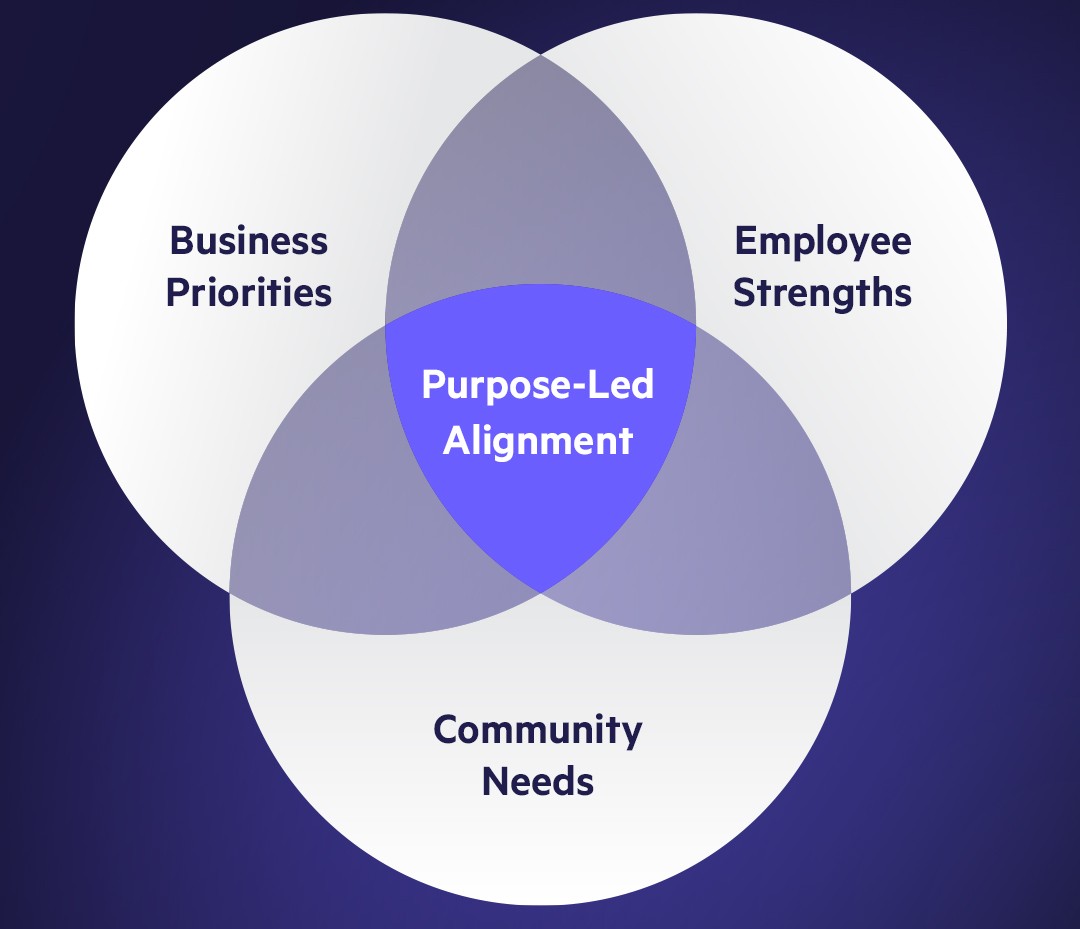
Before building the “program,” clarify the “why.”
What cause areas align most authentically with your company’s mission, values, and workforce DNA?
A successful corporate volunteer program doesn’t start with a calendar of events, it starts with strategic alignment.
Companies like Salesforce and IBM’s Corporate Service Corps prove the point: when CSR aligns with core competencies like technology, leadership and innovation, it becomes both sustainable and scalable.
Volunteerism isn’t a top-down directive. It’s a culture-built bottom-up.
The most effective employee volunteer programs are co-created with the people who will live them. That means listening to employee interests, motivations, and availability, and designing flexible formats that work around real schedules.
According to Points of Light, companies that give employees choice in volunteering see participation rates 2x higher than those that prescribe activities.
Purpose without infrastructure leads to burnout.
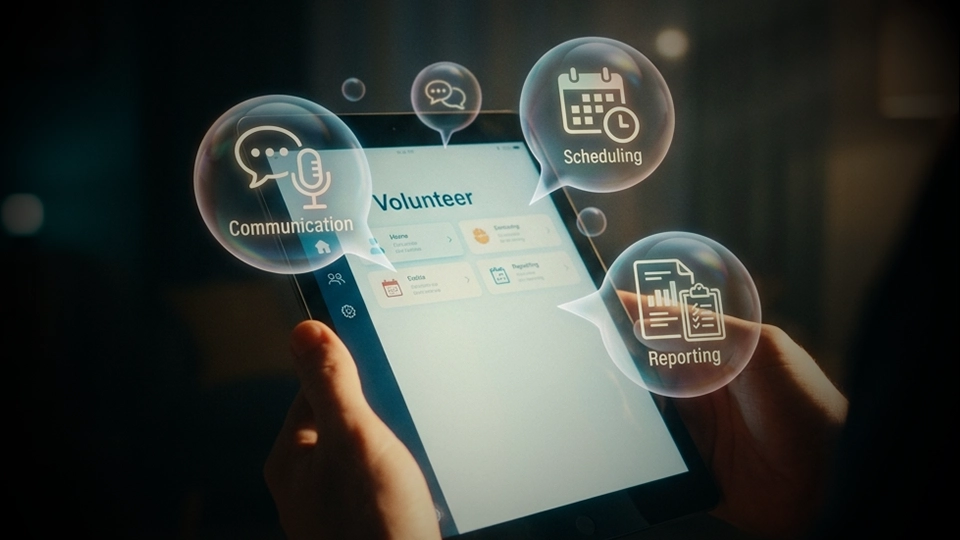
This is where volunteer management software for nonprofits and corporations becomes indispensable. Modern CSR platforms include Benevity, Your Cause, Bright Funds, and Right Cause by Beyond Key.
The right technology transforms volunteerism from a once-a-year event into an ongoing cultural rhythm.
Nonprofits are not passive recipients of goodwill; they are strategic partners in impact.
For example, Microsoft’s Tech for Social Impact initiative connects employees with nonprofits that need technical expertise. It’s a win-win: nonprofits receive critical digital support, and employees gain purpose-driven experience.
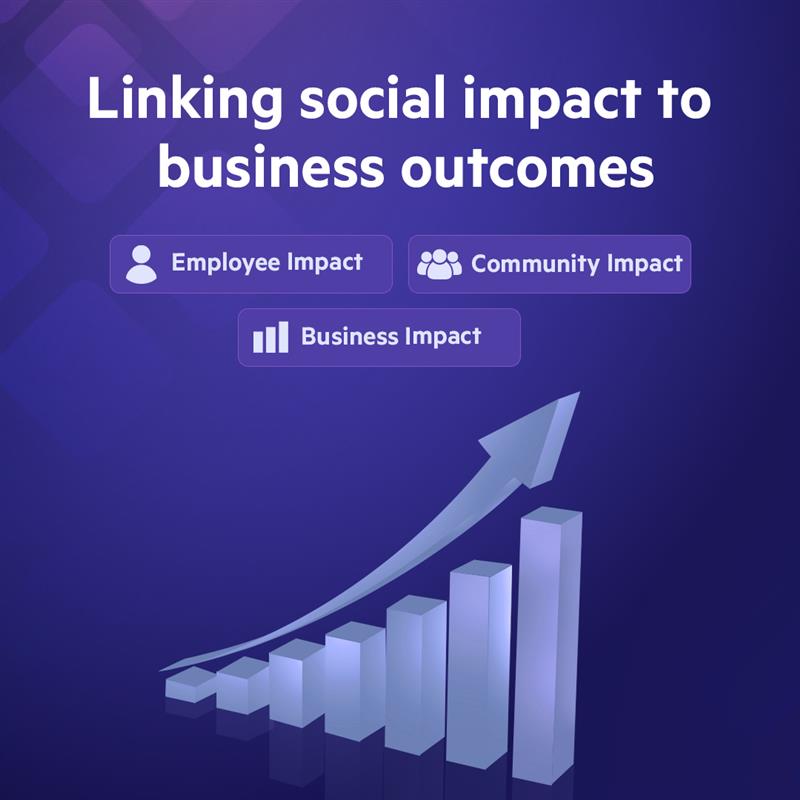
Without measurement, even the best CSR story loses credibility.
Platforms like Benevity and YourCause enable impact dashboards that integrate volunteering data with HR analytics, turning goodwill into measurable ROI.
Recognition fuels continuity.
Create visibility around employee contributions not as PR, but as authentic storytelling. Internal newsletters, leadership shoutouts, and social media spotlights all reinforce a culture of contribution.
Some companies even tie volunteer participation to performance development goals or reward points, reinforcing that social contribution is not extracurricular; it’s part of leadership.
Amplification Tip: Share success stories through short videos or LinkedIn posts featuring employees’ reflections, not corporate statements. People connect to people.
Corporate volunteerism isn’t static; it’s iterative.
Use quarterly feedback and nonprofit partner insights to refine your approach. Ask what’s working, what’s not, and where skill alignment can deepen.
Over time, move from “participation” to integration, embedding social impact into everything from onboarding to leadership training.
Companies like Deloitte, SAP, and Google have already evolved their employee volunteer programs into full-fledged Corporate Social Responsibility ecosystems where volunteering, skills development, and community innovation converge.
The next decade of CSR will be defined by connection, not compliance.
Companies that view volunteerism as strategic infrastructure and not charity will unlock competitive advantage.
And employees who engage meaningfully in social impact will become not just better professionals, but better citizens.
Because when people find purpose through their work, companies don’t just give back; they grow forward.
1. Points of Light – Civic Life Today Reports
2. Benevity – The State of Corporate Purpose Report
3. YourCause – Workplace Giving and Volunteering Trends
4. Taproot Foundation – Pro Bono Benchmark Report
5. IBM – Corporate Service Corps Impact Study
6. Salesforce – 1-1-1 Philanthropy Model
7. Beyond Key – Right Cause: Volunteer Management Software for Nonprofits

.png)


.png)