Nearly 10,000 leaders, innovators, and transaction banking experts gathered at the Miami Beach Convention Center for Sibos 2026. Centered on the theme "Digital finance for AI-driven economies," four intense days of sessions, floor discussions, and strategic meetings made one thing clear: payment modernization is no longer an abstract roadmap target, but an immediate operational imperative.
For EvonSys, making our debut at Booth I053 was an incredible milestone. From interactive challenges to high-energy exchanges with clients, partners, and financial technology peers, the atmosphere at our booth reflected the sheer momentum sweeping through global banking. But the real story of Sibos 2026 lay deeper in the technical and operational shifts discussed across our hosted sessions and the conference floor.
Here is a recap, key insights from our speaker sessions, and the broader trends shaping the future of global transaction banking.
Walking the exhibition floor in Miami, the spirit of collaboration was unmistakable. Building the future of global payments thrives on shared innovation across banks, fintechs, enterprise platform providers, regulators, and standards bodies.
At Booth I053, our team hosted engaging discussions centered on removing friction from core banking operations. Attendees tackled our interactive booth challenges, discussed real-world transformation bottlenecks, and celebrated with our daily contest winners.

And while each conversation brought a different perspective, a few themes kept coming up, from 24/7 payments and interoperability to digital assets, stablecoins, and tokenized deposits.
The common thread was clear. How can financial institutions modernize legacy infrastructure while keeping day-to-day operations running smoothly?
Our team took the stage in Miami on Wednesday, 30 September, to address the operational realities financial institutions face as payment schemes accelerate toward real-time execution.
In this in-person exhibitor session, Pedro Mullor, Director, Payments Solutions Growth and Delivery from EvonSys and Arun MS, Founder and CEO from EvonSys took a deep dive into the practical realities of Exceptions and Investigations (E&I) migration, ISO 20022 MX compliance, and Swift tracking.

The global transition toward ISO 20022 compliant Exceptions and Investigations (E&I) requires banks to overhaul legacy handling of payment queries, claim for value, and cancellation requests.
Replacing unstructured free-format messages with structured ISO 20022 camt messages (such as camt.110 and camt.111) enables automated processing, faster resolution times, and reduced manual operational costs.
E&I migration is no longer just about meeting regulatory mandates, it is about leveraging rich, structured data to transform back-office efficiency and eliminate recurring payment inquiries.
Pedro and Arun demonstrated how centralizing payment investigations into unified orchestration platforms eliminates data fragmentation, lowers operational costs, and delivers transparent cross-border tracking.
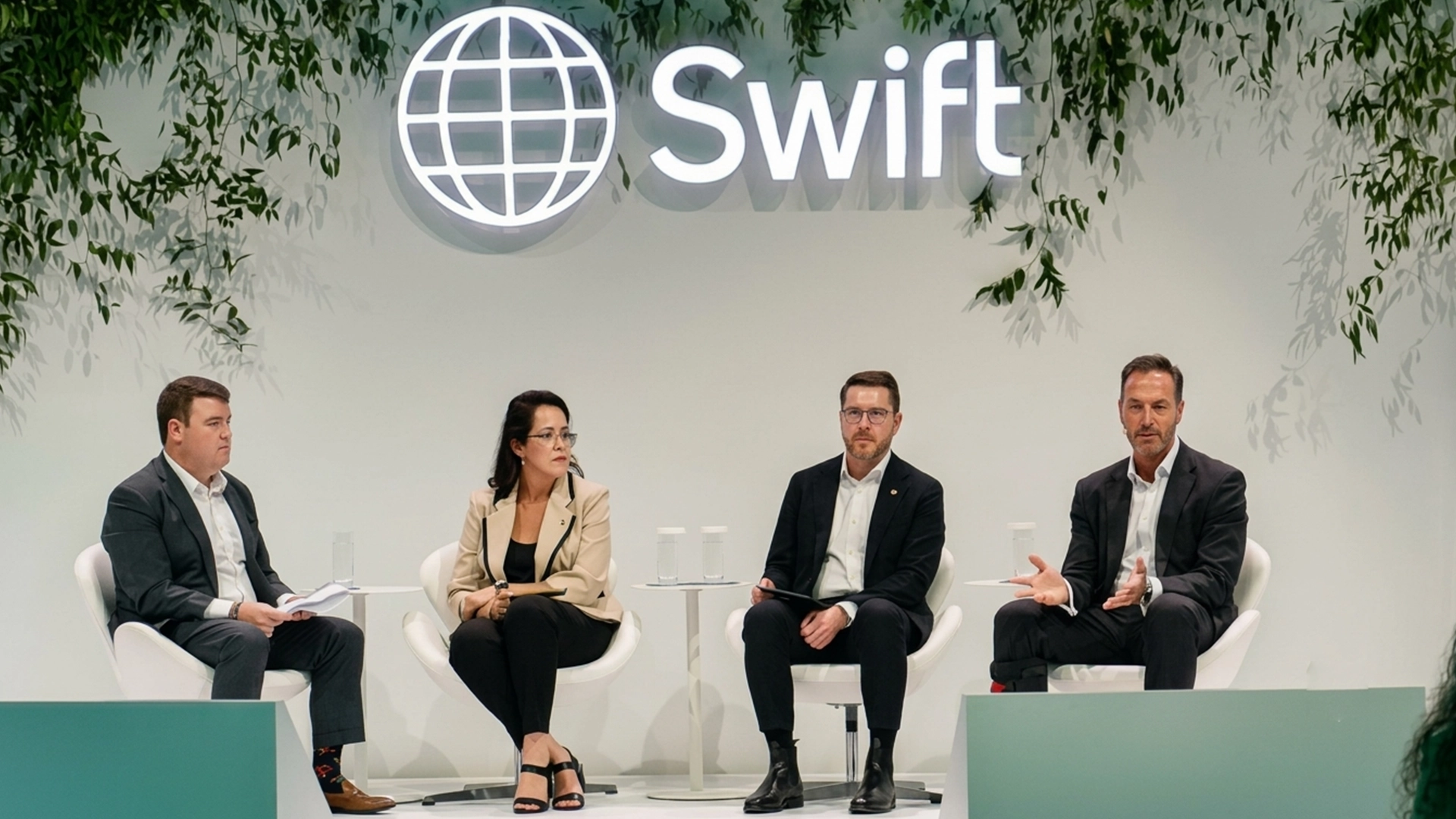
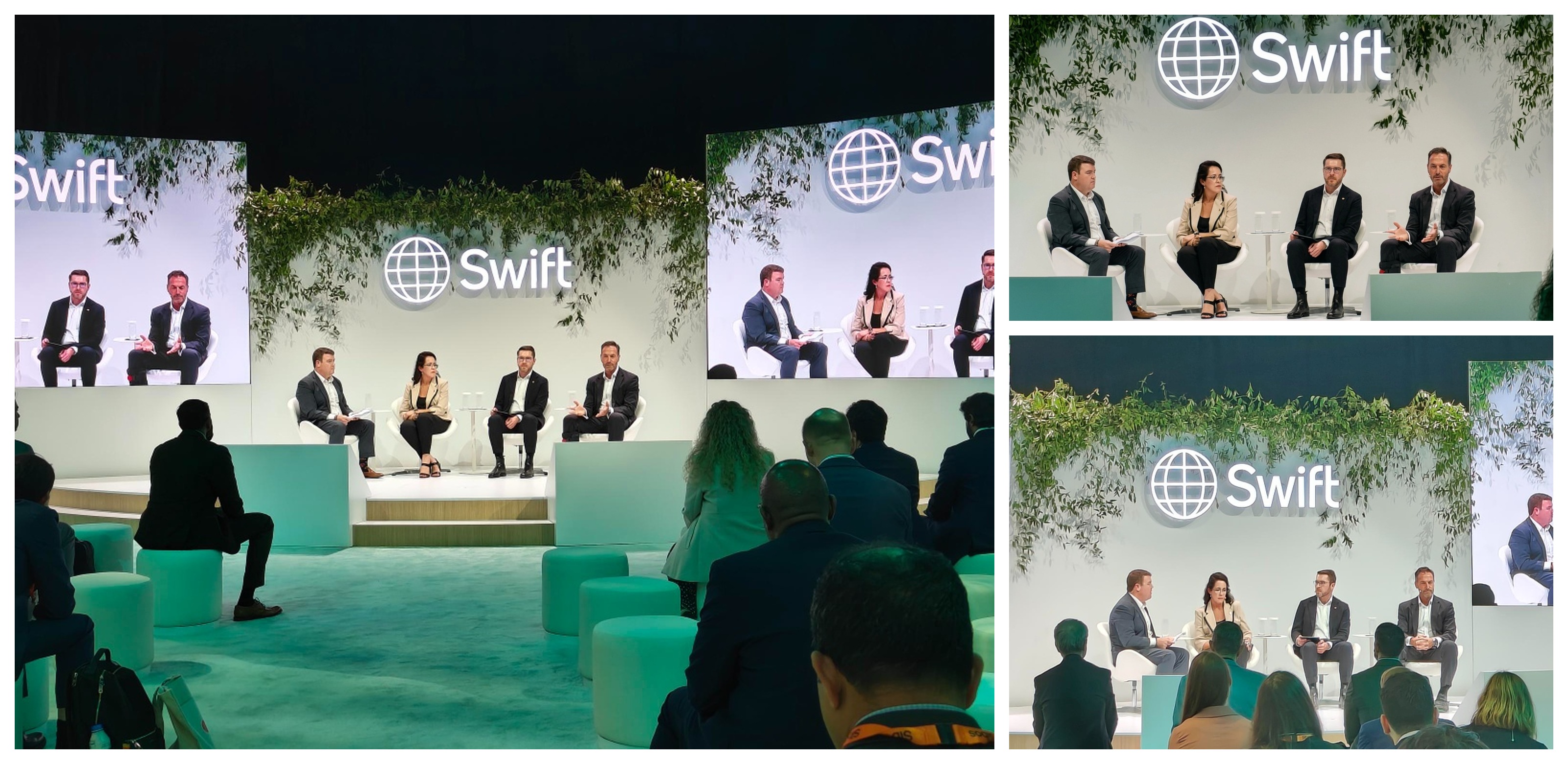
In a featured Swift Theatre panel session moderated by Edward Brady from Swift, Andy Elliott (Vice President, Product Strategy at EvonSys) was joined on stage along with industry leaders - Larize Nel (Head of Swift and External Payment Gateways at Absa Group) and Tom Simpson (Global Head of Currency Clearing at HSBC). The panel explored why investigation workflows lag behind payment execution and how orchestrated case management unlocks massive operational savings.
While cross-border rails process payments in seconds, 1% to 3% of global payment volume triggers manual inquiries that take an average of six to eight days to resolve. Unstructured MT199 messages pass through five to ten manual touchpoints across correspondent chains, consuming $1.6 billion annually in operational expenditure industry-wide.
Andy Elliott highlighted four structural failures in legacy investigation processing: unstructured communication layers (MT199s and unformatted emails), serial routing that traces every intermediate payment hop, the lack of a common industry taxonomy, and missing enforceable SLAs for inquiry resolution.
Community adoption is growing fast, with over 300 banks live and hundreds more onboarding. Absa highlighted how structured tracking provides full visibility on the Swift GUI, while HSBC reported up to a 60% reduction in average turnaround time by routing cases directly to logical resolving teams instead of manual store-and-forward email queues.
Andy categorized the market into Tier 1 global giants building complex bespoke platforms, Tier 3 regional banks using manual GUI tools, and Tier 2 super-regional banks requiring scalable automation without massive IT overhead. To serve this middle tier, EvonSys engineered a purpose-built, SaaS-based E&I platform designed natively around Swift Case standards, providing multi-rail orchestration, Stop and Recall capabilities, and rapid cloud deployment.
Looking ahead, panelists outlined how structured inquiry data enables AI agents to automatically handle routine status checks, shifting operational teams from reactive inbox management to proactive client service.
Synthesizing four days of keynotes, panel discussions, and client meetings across Miami, five core themes defined the roadmap ahead.
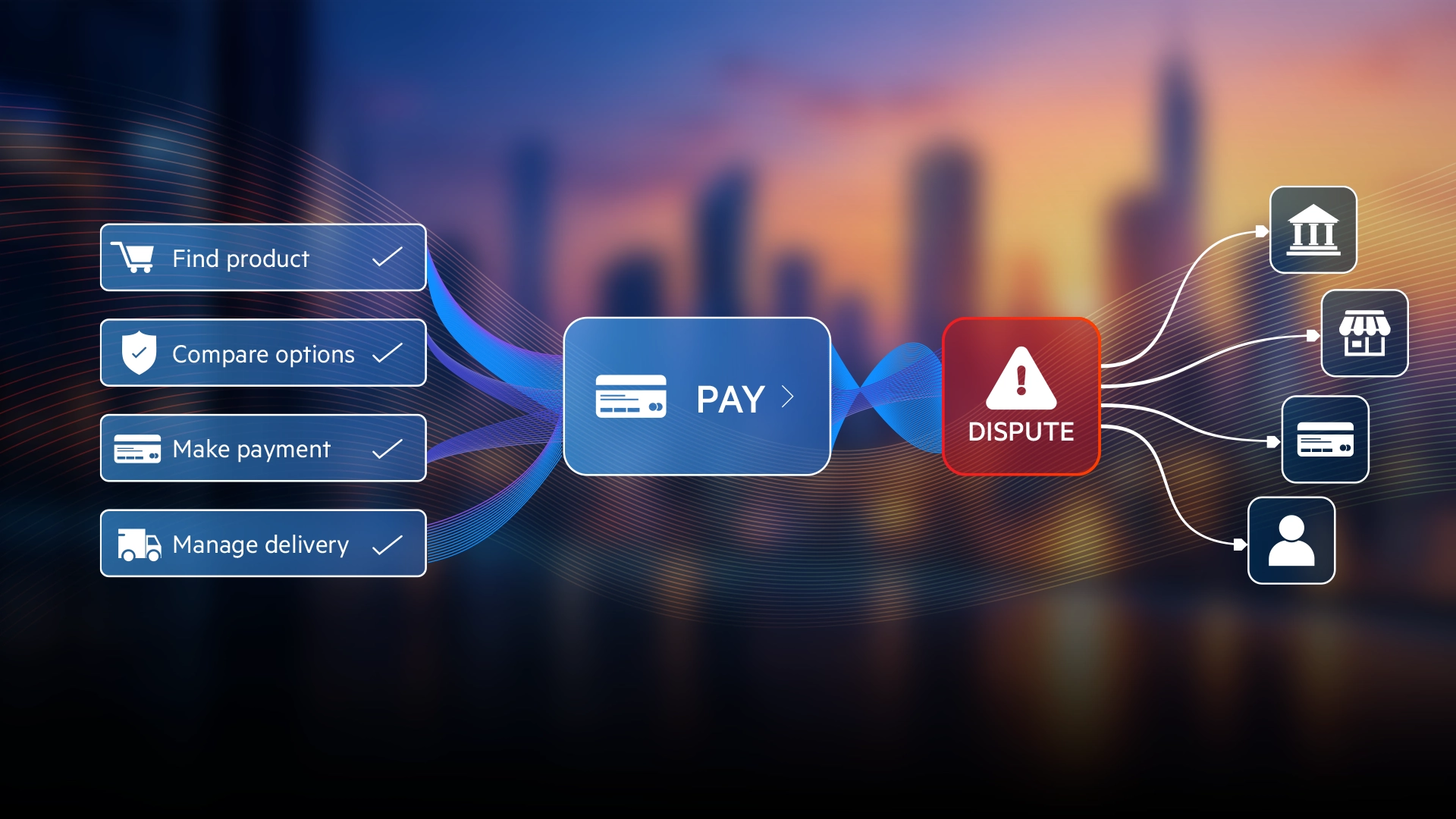
A primary focus across the conference was the urgent need to automate middle and back-office E&I workflows. As payment volumes grow and execution becomes instantaneous, manual investigation queues create unsustainable friction. Financial institutions are prioritizing automated E&I case orchestration to handle payment queries, status tracking, and dispute resolution instantly.
Real-time, 24/7 payment expectations are now standard. As traditional rails, instant payment schemes, and digital assets expand, speed alone no longer provides a competitive edge. The primary hurdle is interoperability, which involves connecting fragmented ledger systems, cross-border payment rails, and external ecosystems into a unified customer experience.
Moving value around the clock redefines how liquidity, settlement, and treasury operations function. Managing intraday liquidity across time zones in an always-on financial market requires real-time visibility and automated positioning tools that operate continuously without manual intervention.
In a volatile global landscape, operational resilience is paramount. Systems must remain highly secure, fully compliant, and adaptable to shifting regulatory standards. Banks are prioritizing platforms that offer continuous availability, robust cyber defense, and rapid exception resolution.
Technology provides the rails, but partnership drives transformation. The most successful banking transformations occur when financial institutions, specialized low-code platform providers, and domain experts collaborate to de-risk modernization journeys.
Sibos 2026 in Miami proved that global transaction banking is undergoing a rapid, structural transformation. From ISO 20022 structured E&I data to AI-driven case orchestration, the opportunity to build resilient, transparent, and frictionless payment workflows is immense.
As we wrap up an extraordinary week, our focus remains on translating these Miami insights into tangible outcomes for our clients and partners. We extend a massive thank you to everyone who made our debut at Booth I053 memorable.
The conversation does not end in Miami. We look forward to continuing these partnerships and seeing you all at Sibos 2027 in Singapore!
Ready to take the next step in modernizing your payment investigations?
Whether you're preparing for E&I migration, evaluating ISO 20022 workflows, or looking to reduce resolution times, our team would love to continue the conversation we started in Miami.