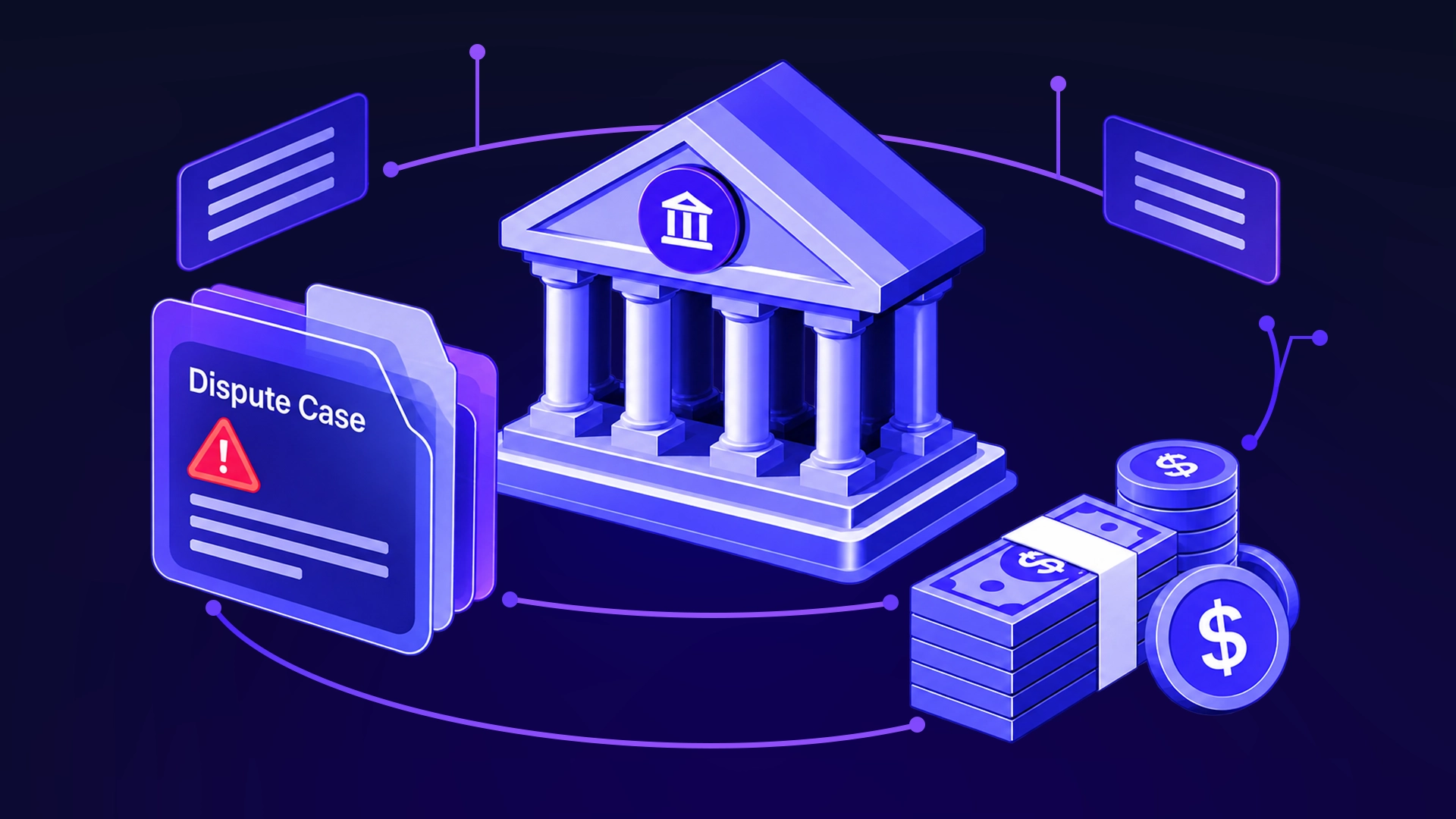
Live webinar | Seconds to Settle, Weeks to Resolve: The Payment Investigations Paradox
Register Now


A customer visits a self-service portal to clarify a service policy before submitting a request. After navigating multiple pages and searching through several articles, they still cannot find a clear answer. As a result, they decide to contact customer support, where the agent spends additional time searching internal documentation and policies before responding. Although the information exists within the organization, accessing it at the right moment remains a challenge for both the customer and the employee. This scenario reflects a broader knowledge management challenge that many organizations face today. Information exists across repositories, systems, and teams, yet finding the right answer often requires significant effort. As enterprises continue to modernize business processes, ensuring that knowledge is accessible and actionable must become a strategic priority.
This blog discusses how enterprises face challenges when knowledge and data cannot be used effectively, and how an AI knowledge assistant helps.
Customers expect quick, accurate answers through self-service channels. These include help centers, chatbots, customer portals, and online communities. However, many of the benefits are reduced or lost altogether when channels are poorly integrated. Critical knowledge is often scattered across multiple systems, documents, and support resources, making it difficult for customers to find the answers they need. As a result, customers frequently abandon self-service journeys and reach out to support teams for routine inquiries. This not only increases service volumes and operational costs but also creates frustrating customer experiences. When customers cannot access the right information at the right time, satisfaction declines.
Customer service agents and sales representatives are expected to provide accurate answers, personalized recommendations, and timely resolutions in every interaction. However, as products, policies, and processes become more complex, finding the right information becomes increasingly difficult.
They must spend time searching across multiple systems, documents, and internal resources to verify information before responding to customers. This increases the risk of inconsistent guidance and missed opportunities. As a result, organizations often face longer handling times, reduced productivity, inconsistent customer experiences, and slower sales cycles.
For example, an insurance customer contacts an agent to understand whether a specific medical procedure is covered under their policy and what supporting documents are required to submit a claim. To provide an accurate response, the agent may need to review policy documents, coverage guidelines, underwriting rules, and recent policy updates spread across multiple systems. If the required information cannot be located quickly, the customer experiences delays, while the risk of inconsistent guidance increases. Over time, these challenges contribute to longer resolution times, reduced productivity, and lower customer satisfaction.
In many enterprises, crucial information remains concentrated among a small group of experienced employees. Whether it involves handling customer exceptions, interpreting policies, resolving operational issues, or understanding complex processes, teams often rely on the same individuals for guidance.
This dependence creates a significant bottleneck for efficient business operations. As a result, decision-making slows, productivity declines, customer interactions become less efficient, and maintaining operational consistency becomes harder. The challenge becomes even more pronounced as organizations scale operations, onboard new employees, or adapt to changing business needs.
While these challenges may seem like separate operational issues, they often stem from a common knowledge management challenge. Organizations invest heavily in capturing and storing information, yet valuable knowledge remains scattered across systems, documents, and teams, creating knowledge silos that hinder access. As a result, organizations face slower decision-making, reduced productivity, inconsistent experiences, and growing reliance on manual knowledge sharing. At the core of these challenges are three interconnected gaps that prevent organizations from fully leveraging their knowledge assets.
Many organizations suffer from a lack of knowledge accessibility. This is often the result of legacy environments, where critical knowledge remains locked within specific teams, departments, or experienced employees. As knowledge silos grow, employees increasingly rely on knowing who has the answer rather than where to find it. This creates delays, increases dependency on a few individuals, and slows the pace of business execution.
As enterprise knowledge management environments evolve, information becomes distributed across applications, repositories, collaboration platforms, and business systems. While knowledge may exist within the enterprise, navigating multiple sources to find relevant and accurate information can be time-consuming. This fragmented approach increases search effort, reduces productivity, and creates inconsistent experiences for both employees and customers.
Access to information alone does not guarantee effective action. Employees and customers are often presented with large volumes of content but struggle to find answers that are relevant to their specific context. This is where an AI knowledge assistant can help surface trusted, contextual knowledge at the moment of need.
Knowledge silos make finding answers slow and error-prone. An AI knowledge assistant unifies sources, interprets context, and delivers the right information instantly. This helps teams work faster, improves decision consistency, and enables knowledge to become a strategic business asset.
Traditional knowledge management systems have focused on capturing, organizing, and storing information. However, modern organizations increasingly need solutions that help users discover and apply knowledge in real time. Pega Knowledge Buddy extends this approach by combining enterprise knowledge with AI-powered assistance, enabling employees and customers to find answers more efficiently.
Knowledge remains one of the most valuable assets within any organization, yet many enterprises continue to face knowledge management challenges that limit its accessibility and impact. Knowledge silos, fragmented information sources, and difficulties translating information into action can slow decision-making, reduce productivity, and create inconsistent experiences for both employees and customers.
As organizations seek to make enterprise knowledge management more effective, the focus is shifting from simply storing information to delivering it in context and at the moment of need. AI-powered technologies are playing an increasingly important role in this transformation, helping organizations connect people with the knowledge they need to work more efficiently. Pega Knowledge Buddy reflects this shift, enabling a more intelligent and accessible approach to knowledge delivery across the enterprise.