.png)

.png)
Traditional volunteer reporting methods rely on paper logs, spreadsheets, and multiple emails to capture activities rather than meaningful impact. When tracking volunteer hours, scheduling shifts, and recording attendance, organizations often must pull data from scattered systems.
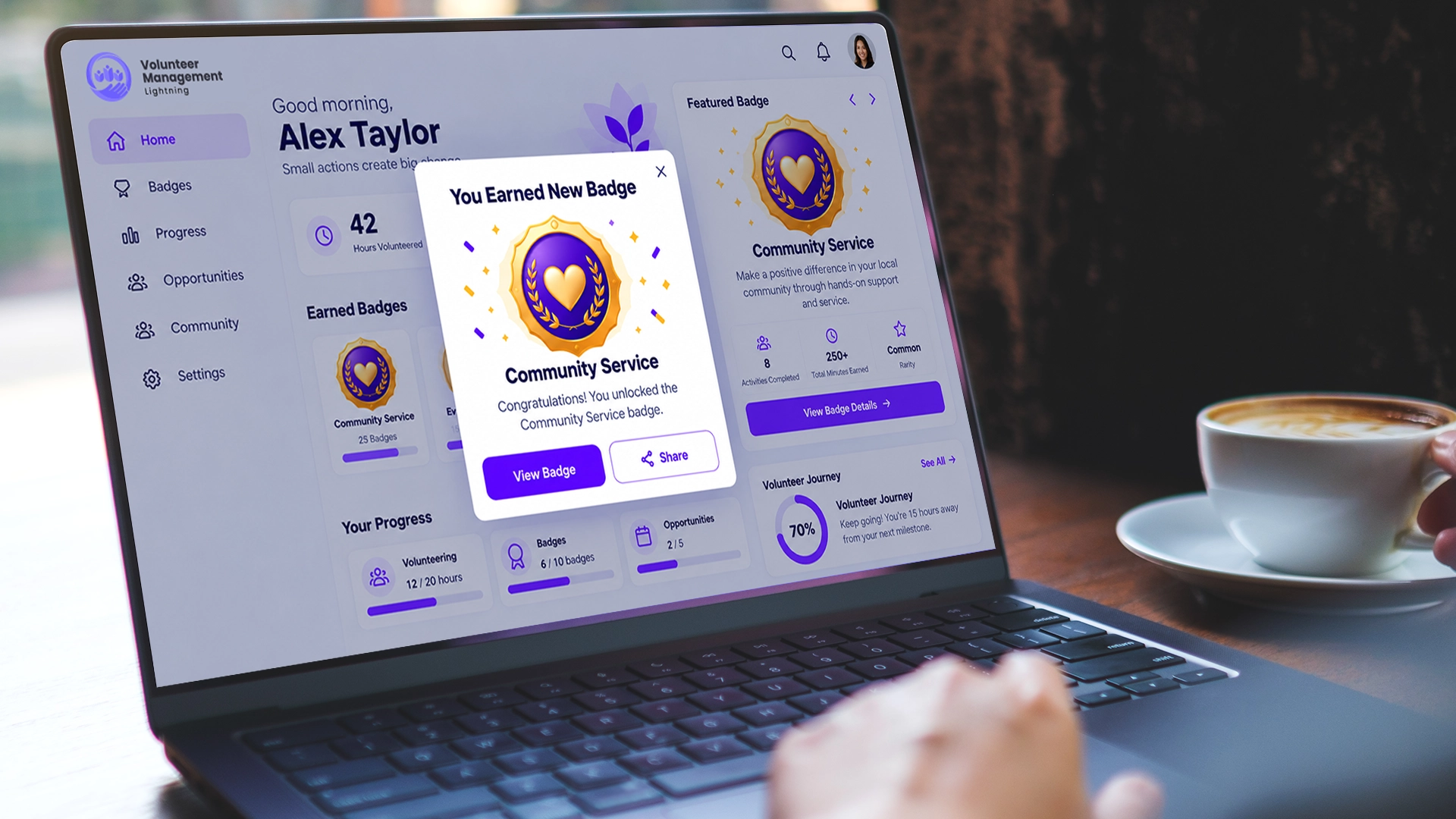
A volunteer management app simplifies the entire process by centralizing data on a single platform. It enables volunteers to log hours and activities easily, while coordinators can monitor progress in real time. Automated reminders, standardized annual reports, and clear dashboards help organizations gain better visibility into volunteer contributions.
This blog explores how organizations struggle without a dedicated volunteer management application and how to overcome these challenges.
Here are the most critical hidden gaps that most nonprofits miss:
No Single Source of Volunteer Data
The most common gap in traditional volunteer hours tracking is a lack of consistency. Many nonprofits rely on tools such as Excel, Google Sheets, or standalone software to track volunteer hours across departments. However, they often lack a unified method for measuring volunteer value, outcomes, or impact.
This happens because different teams may record data points in different formats and tools, leading to fragmented, incomparable data. The marketing team might track "event signups” to measure engagement, while the program team tracks "hours served" to measure capacity. One department might log time in hours, while another records it in minutes.
This gap often goes unnoticed until funders or leadership request a unified picture of the volunteer annual report.
No Visibility into When and Why Volunteers Drop Off
One of the most overlooked challenges in volunteer reporting is the lack of visibility into when and why volunteers gradually disengage. While coordinators may fill out the sheet before the event starts, it shows who participated but rarely captures volunteer burnout or reduced engagement over time.
Without structured tracking, organizations struggle to correlate participation trends with specific events, locations, or roles, hindering early intervention and improvements to the volunteer experience.
When Reporting Comes Too Late to Make an Impact
Coordinators compile volunteer data days or even weeks after an event, relying on scattered notes, memory, or delayed inputs from multiple sources. While this may complete the reporting requirement, it misses a crucial window of opportunity. When updates about impact are delayed, volunteers lose the immediate connection between their efforts and the outcomes they helped to create.
Over time, this leads to volunteer disengagement and limits reporting to basic metrics such as volunteer hours.
Organizations can only see surface-level metrics, such as participation lists and hours logged, without capturing the outcomes associated with each volunteer.
When impact cannot be clearly measured, scaling initiatives become riskier and harder to justify internally.
Incomplete volunteer reports can weaken the organization’s ability to present itself as structured and data-driven.
Staff spend excessive time collecting, analyzing, and generating reports from multiple sources, rather than focusing on engagement.
Each coordinator may track data differently, leading to inconsistent data across events and reports.
Administrative overload takes time away from building relationships and improving the volunteer experience.
Closing these hidden gaps in volunteer reporting requires a fundamental shift in how your organization values data.
Improving volunteer reporting is about giving your organization the clarity it needs to recognize and strengthen the impact your volunteers create every day.
When nonprofits standardize their measurement processes, centralize their data, and link volunteer activities to mission outcomes, they move from simply tracking time to truly understanding value. By closing these hidden gaps, your team gains the confidence to share accurate insights with funders, boards, and stakeholders, securing the trust and funding your mission deserves.
Now that you know where the gaps are, the next step is to choose the right tools to address them.
This is where EvonSys’ Volunteer Management makes a measurable difference. By bringing all volunteer data into a centralized platform, it eliminates fragmented tracking and provides a single source of data for reporting. With real-time insights, automated tracking, and smart segmentation, organizations can move beyond basic participation metrics to understand engagement patterns, identify drop-offs early, and recognize contributions more meaningfully.
Ready to start measuring the volunteer contributions?

.png)


.png)