Recent trends in volunteer engagement suggest an interesting shift. More people are signing up to volunteer, while fewer are committing to long-term schedules. Rather than opposing the trends, these patterns may actually reflect a broader change in how individuals choose to contribute their time. Whether this adds up to something lasting for the organizations is still an open question, and one worth exploring rather than settling too quickly.
Reports from Benevity, AmeriCorps, and Points of Light have all highlighted different aspects of this shift, and 2026 has added its own reason for attention. The United Nations has designated this year the International Year of Volunteers, which has put a brighter spotlight on how volunteering works today.
Episodic volunteers contribute on a short-term, or occasion-specific basis rather than a long-term commitment. It could look like a single food bank shift, a one-day skills-based project, or a short virtual task finished between meetings. None of it looks like the traditional image of a volunteer showing up every Saturday for a year.
It is worth being clear that episodic volunteering and virtual volunteering are two different things, even though they often get grouped in the same conversation. Episodic volunteering describes how often someone shows up, occasionally rather than on a fixed schedule. Virtual volunteering describes where the work happens, online rather than in a physical location.
The two can overlap, a one-off virtual task is both episodic and virtual, but most episodic volunteering is still in-person. Someone might volunteer for a single afternoon at a food bank or participate in a one-day shelter build, both fully in-person, and still be considered episodic simply because they do not occur on a regular schedule.
According to AmeriCorps and the U.S. Census Bureau, the formal volunteering rate among Americans increased by 5.1 percentage points, rising from 23.2% in 2021 to 28.3% in 2023. This represents 75.7 million Americans volunteering through an organization. Even though it is still 1.7 percent lower than the pre-COVID-19 pandemic levels, this trend indicates growth.
On the other hand, the average hours served per volunteer in the United States dropped from 96.5 hours in 2017 to 70 hours in 2023. Half of the formal volunteers logged 40 hours back in 2017, and in the latest data, the median is down to 24 hours.
A similar pattern can be observed in corporate volunteering. Benevity's 2026 State of Corporate Volunteering report revealed that employees who volunteered for fewer than five hours a year made up approximately 59 percent of all corporate volunteers, an increase from 49 percent in 2019. However, the average number of hours volunteered per person decreased from 16.4 hours in 2019 to 12.7 hours in 2025. These trends suggest the growth in episodic volunteering.
These figures reflect a more nuanced picture than the trend alone suggests. The available evidence indicates that episodic volunteering is becoming a common way for individuals to begin engaging with nonprofits, while recurring volunteers continue to contribute a disproportionate share of overall volunteer hours.
Episodic volunteering is often associated with younger generations seeking greater flexibility. Gen Z's preference for flexible, cause-specific and skill-based engagement gets a lot of attention. However, AmeriCorps data has consistently shown Generation X posting the highest formal volunteering rate across every wave of the survey since 2017, while 16 to 17-year-olds recorded the highest participation rate among all age groups in 2023.
These findings suggest that stronger volunteer participation extends well beyond younger generations, reinforcing the need for organizations to support diverse engagement preferences across age groups. Short-term, skill-based, one-shift-based projects have become more common as nonprofits and corporate volunteering programs look to engage people with specific expertise for defined initiatives. This suggests flexibility is a broader pattern than any one generation's preference.
A few forces are behind this change, and they don't all point in the same direction.
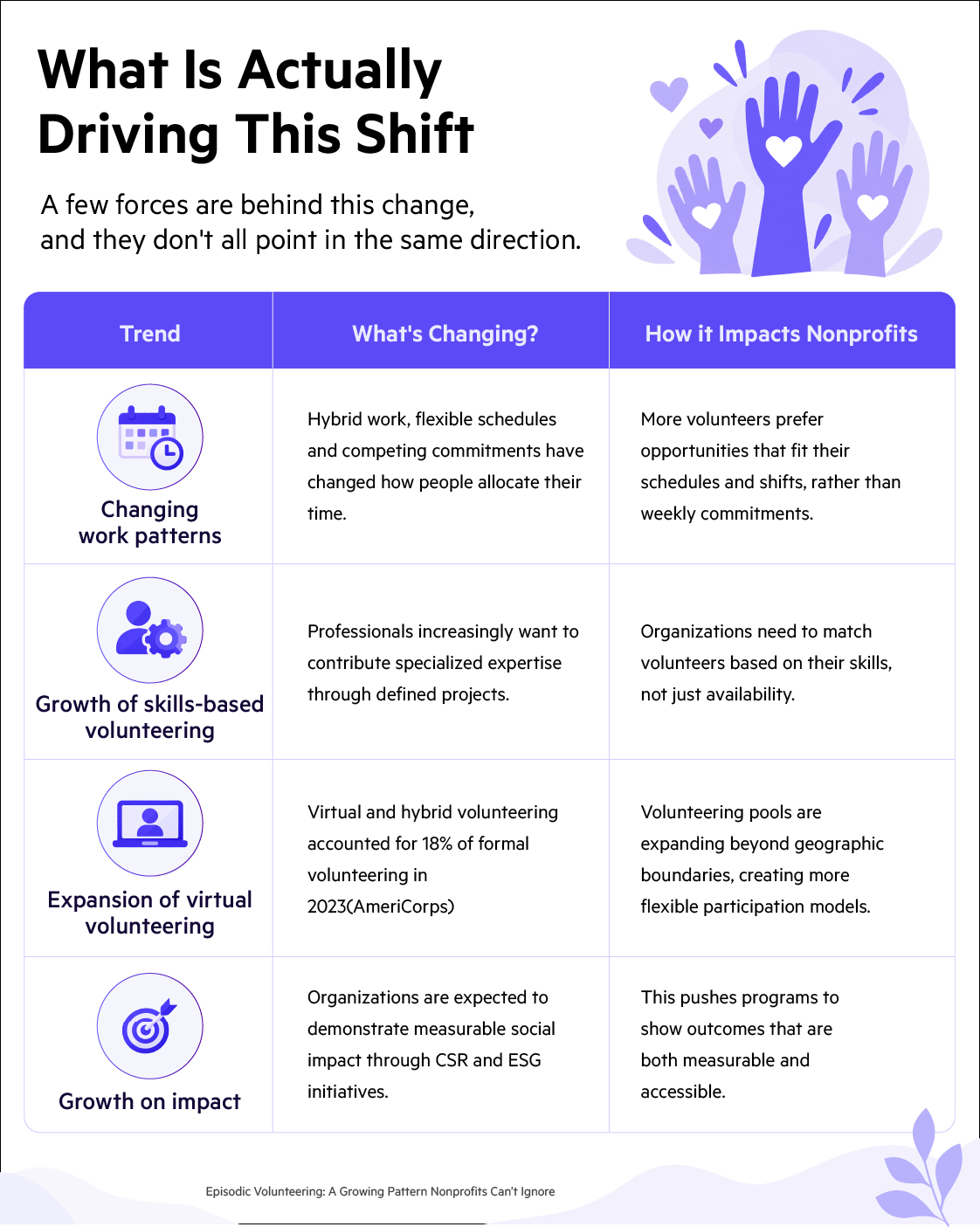
These trends do not indicate that recurring and face-to-face volunteering is becoming less relevant. Instead, they suggest that organizations are adapting to a landscape that increasingly supports flexibility, skills, and accessibility.
The growing adoption of episodic volunteering also raises a broader question for nonprofits: How can participating in short-term activities yield long-term benefits? While flexible volunteering models expand the ways people can contribute, they also introduce operational challenges around sustaining engagement and measuring lasting outcomes.
The State of Corporate Volunteering 2026 report by Benevity reflects this tension well. It documents the rise of micro-volunteering but flags a widening gap between corporate enthusiasm for volunteering and what nonprofits can do with it. Only about 20 percent of nonprofit leaders say corporate volunteers contribute meaningfully to their organization's long-term capacity.
The gap does not necessarily indicate the limitation of episodic volunteering itself. Rather, it highlights the importance of what happens after the initial engagement. A volunteer who gives a single two-hour shift, has a good experience, but is never followed up with, invited back for something matched to their skills, or recognized properly, has little reason to become anything more than a single entry on a list.
As participation becomes more dynamic, organizations increasingly need ways to connect volunteer histories, skills, preferences, and future opportunities into a single view. The challenge is no longer simply attracting volunteers, but creating the continuity needed to turn occasional participation into something sustained.
A recurring volunteer builds their own continuity just by showing up every week, which an episodic volunteer does not get for free. The organization must build it for them, meaning every short-term contribution, skill offered, and shift completed needs to land in one place rather than scattered across sign-up sheets, spreadsheets, and someone's memory.
And that's the cue for nonprofits to invest in a more connected approach to volunteer management. A unified view of each volunteer, capturing participation history, skills, interests, and availability, can impact long-term engagement. Even a one-time contributor deserves the same recognition as someone on their tenth shift, because gratitude is part of what turns a single episode into a second one.
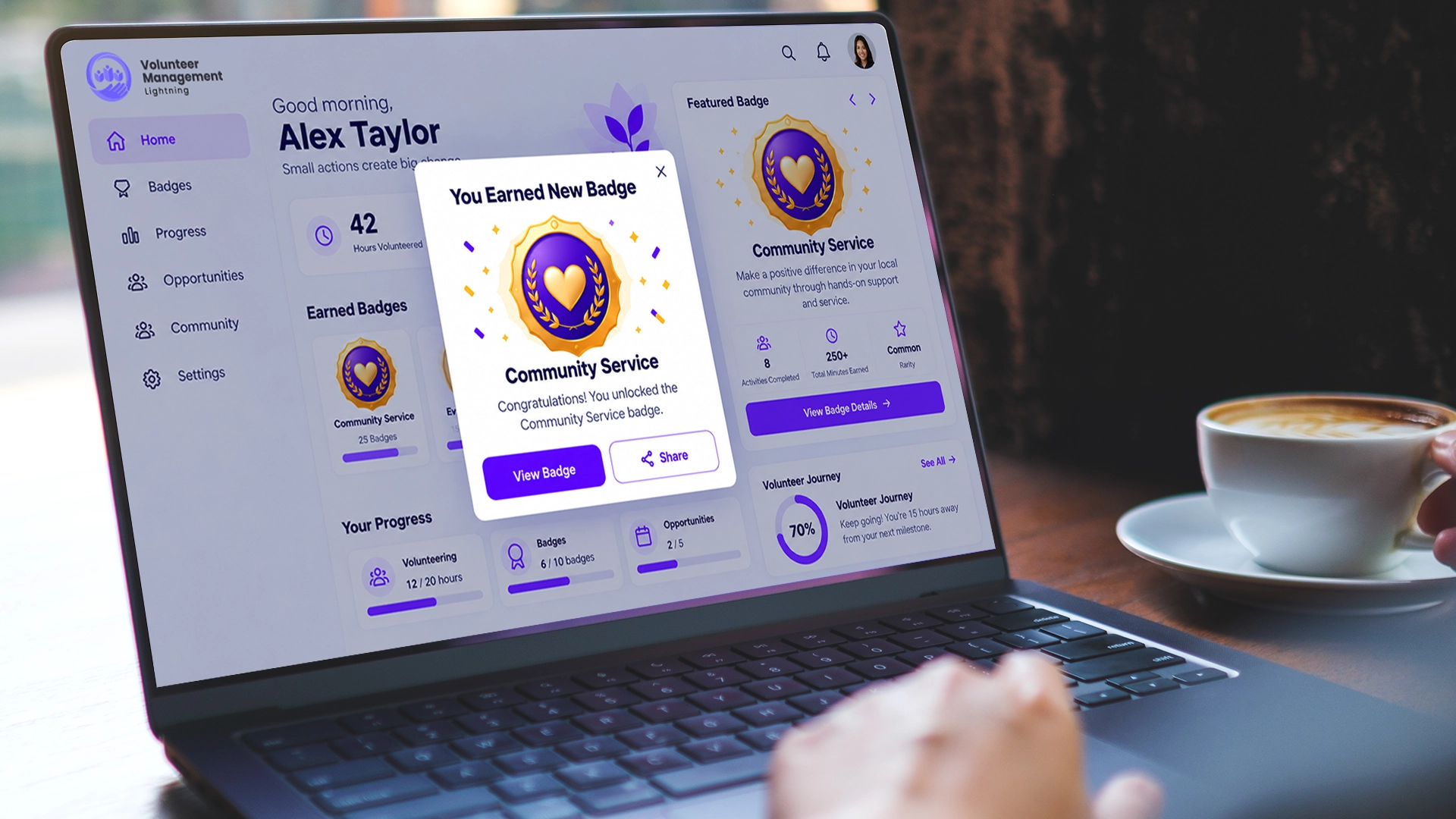
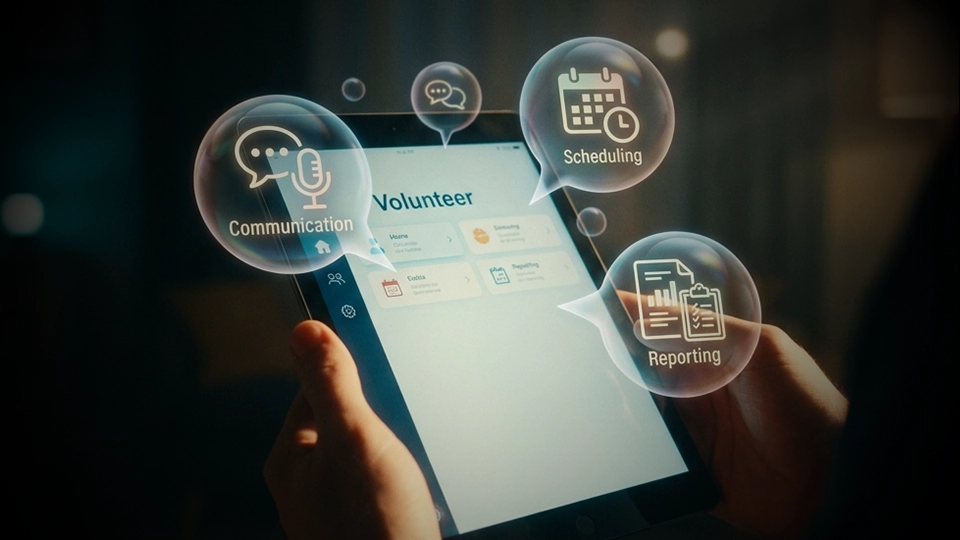
This is the kind of thinking behind platforms such as Volunteer Management (Lightning), which brings volunteer profiles, scheduling, and reporting into a single system. The aim is less about recording hours and more about treating a single shift as the start of something, rather than a one-off transaction.
Episodic volunteering is not about to replace recurring volunteering, nor does it diminish the importance of long-term volunteering. It points to a volunteer landscape where different forms of participation are becoming more flexible, as the sector looks for new ways to bring people in.
In the end, episodic volunteering looks less like a departure from traditional volunteering than an evolution in how people engage with causes. For the sector, the question is probably no longer whether this shift is taking place, but how organizations adapt their strategies and digital capabilities so that every contribution, whether two hours or two years, has a chance to add up to something.
Sources
1. Benevity Impact Labs, State of Corporate Volunteering 2026: A System Ripe for Reimagining
2. AmeriCorps and US Census Bureau, Volunteering and Civic Life in America, 2024 release (2023 Current Population Survey Civic Engagement and Volunteering Supplement)
3. Nonprofit Learning Lab, Volunteer Engagement in 2025: What the Latest Data Means for Your Program and How to Plan for 2026