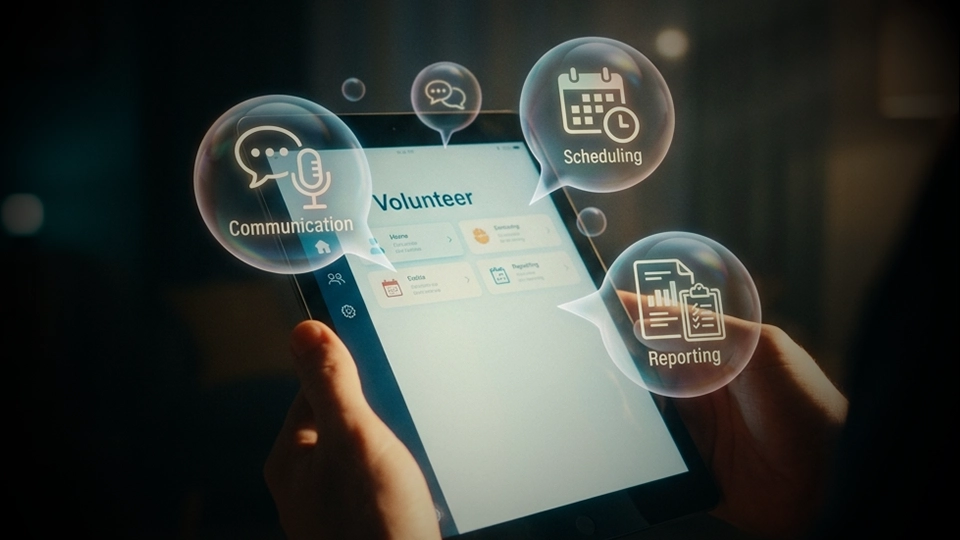
Keeping Volunteers Engaged Between Events: Strategies That Work

Keeping Volunteers Engaged Between Events: Strategies That Work

EvonSys
December 10, 2025
HIGHLIGHTS
  • How does consistent engagement build trust, reduce recruitment costs, and turn volunteers into advocates?  
  • How do micro-engagements and virtual touchpoints keep volunteers active, even without in-person events?  
  • Why do the right tools simplify volunteer communication and strengthen long-term engagement?

Introduction

The Real Challenge Begins After the Event Ends

You’ve just completed a successful event, and have shared thank-you messages, posted highlights, and maybe even started thinking about the next big initiative.  

But once the program ends, the real challenge begins: staying connected with volunteers until the next event starts.  

Between events, communication can slow, and volunteers may drift back into their routines. Not because they’ve lost interest, but because nothing is pulling them back in. That in-between phase is where many volunteer engagement strategies tend to fall short.

The organizations that stand out don’t treat engagement as something that starts and ends with events. They keep the connection going through small, consistent touchpoints that remind volunteers they’re still part of something meaningful.

Why Staying Engaged Between Events Matters

Building Trust and Loyalty through Consistent Volunteer Communication  

Building a long-term relationship with your volunteers requires an effective engagement strategy. Here’s why consistent engagement is critical:

  • It increases volunteer retention  
  • It transforms one-time helpers into regular contributors.  
  • It reduces recruitment costs.  

In a recent study, nearly 62% of respondents reported difficulty in recruiting volunteers. Therefore, retaining current volunteers is essential. Let’s look at volunteer engagement strategies that help volunteers feel heard and engaged.  
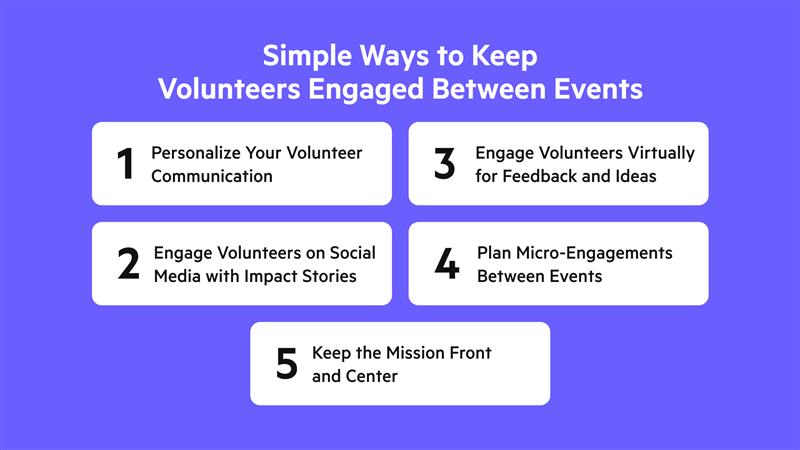
5 Ways to Keep Volunteer Engaged Between Events

1. Personalize Your Volunteer Communication  

Generic messages, or email templates, can make volunteers feel disconnected and overlooked. Personalized messages help volunteers feel understood and align with their skills and interests.  

  • Send personalized messages before and after each event to make them feel heard.  
  • Understand the volunteers' skill sets and share updates that most suit their passions.  
  • Segment your volunteer list using your CRM (like Salesforce) based on skills, location, or engagement level to personalize the messages.  
  • Use their preferred channels like email, WhatsApp, or your volunteer management app to stay in touch.  

Strong, tailored volunteer communication consistently builds trust and keeps volunteers engaged, even after the event ends. This encourages them to attend upcoming events.

2. Engage Volunteers on Social Media with Impact Stories  

Your social channels act as a bridge between events. Use them to initiate conversation, and update the ongoing impact of your mission, such as:  

  • Post regular updates: “This month, volunteers helped distribute 2,500 care packages.”  
  • Spotlight volunteers individually by sharing their stories, photos, and quotes.  
  • Ask questions that invite interaction: “What inspired you to start volunteering?”  
  • Celebrate milestones: anniversaries, achievements, or team highlights.  
  • Share graphics, quotes, or videos that volunteers can repost to boost your reach.

When you use storytelling instead of statistics, you keep volunteers connected. The best tools for tracking donor and volunteer engagement help automate personalized emails that build emotional connections.  

3. Engage Volunteers Virtually for Feedback and Ideas  

Not every volunteer engagement requires an in-person presence. A virtual connection keeps relationships strong and opens the door to ideas that might never have surfaced.  

  • Host virtual meetups or “volunteer town halls” to discuss upcoming plans and events.  
  • Send post-event surveys asking for input and improvement ideas.  
  • Create small virtual committees to brainstorm future projects.
  • Recognize online participation with virtual badges or shoutouts.  

Even simple online interactions, such as a 20-minute feedback call or an appreciation meetup, can reinforce your volunteer engagement strategies.  

4. Plan Micro-Engagements Between Events  

Micro-engagements are small, low-effort actions that help volunteers stay active without committing to full events.  

Ideas include:  

  • Sharing a campaign post online to attract more volunteers.
  • Highlight volunteer voices through testimonials and success stories.
  • Regularly updating training materials prevents outdated practices and ensures alignment with current goals and policies.  
  • When experienced volunteers mentor new volunteers, they share the vision and mission of the program along with their skillset.

5. Keep the Mission Front and Center  

A regular newsletter is one of the easiest ways to sustain engagement. It serves as a central hub for upcoming events, specific roles, and urgent requirements.

  • Concrete numbers and success stories validate the volunteers’ hard work by showing the results in real-time.  
  • A clear list of upcoming events makes it easy for volunteers to see where they can contribute next.
  • Volunteer spotlights and public recognition make them feel genuinely valued and personally seen.
  • Notes from leadership or beneficiaries make the volunteers understand that their work is a strategic investment, which increases their loyalty.

Conclusion

Reinforcing Purpose through Consistent Updates and Storytelling  

The event might be over, but your relationship with volunteers doesn’t have to fade away. By combining personalized volunteer communication, social media storytelling, virtual interaction, and consistent recognition, your nonprofit can deepen connections between every event.  

Effective volunteer engagement strategies focus on building lasting relationships. This is where EvonSys’ Volunteer Management makes a difference. With centralized data, smart segmentation based on skill level and other criteria, and integrated communication tools built into the app, organizations can easily tailor messages to each volunteer group, ensuring they reach the right person.

Turn engagement into long-term impact with the right tools

Related Articles

How Digital Workflows Improve Volunteer Compliance and Reduce Risk

Read More
Jun 12, 2026

Volunteer Onboarding Delays: Every Nonprofit Should Consider

Read More
May 12, 2026

From Spreadsheets to Strategy: How EvonSys Simplifies Volunteer Management

Read More
Jun 8, 2026