.png)

.png)
Pega Cosmos to Constellation migration is on the roadmap for most Pega customers today, even without a fixed date attached to it. Pega paired the Constellation design system with Pega GenAI at Infinity '23 and extended that foundation to agentic AI with Infinity '25. Each release since has kept building on Constellation rather than Cosmos.
Cosmos has run reliably for years. Teams built stable applications on it, trained users on it, and kept support tickets low. That track record deserves credit. The newer capabilities Pega ships now, though, assume a Constellation foundation. An application built entirely on Cosmos doesn't get access to features already included in the platform license.
This piece lays out what changed with Constellation, three questions that determine whether your team should migrate now or wait, and what a phased Pega UI modernization path looks like in practice. The goal is a decision built around your application's specifics, not a push toward whatever Pega shipped most recently.
Constellation uses a view-based architecture instead of the section-based model that Theme Cosmos runs on. In practice, that means the front end doesn't just render Pega's UI rules directly. A client-side engine sits between the application logic and the display layer, which is why Constellation can work with any front-end design system, not just Pega's own.
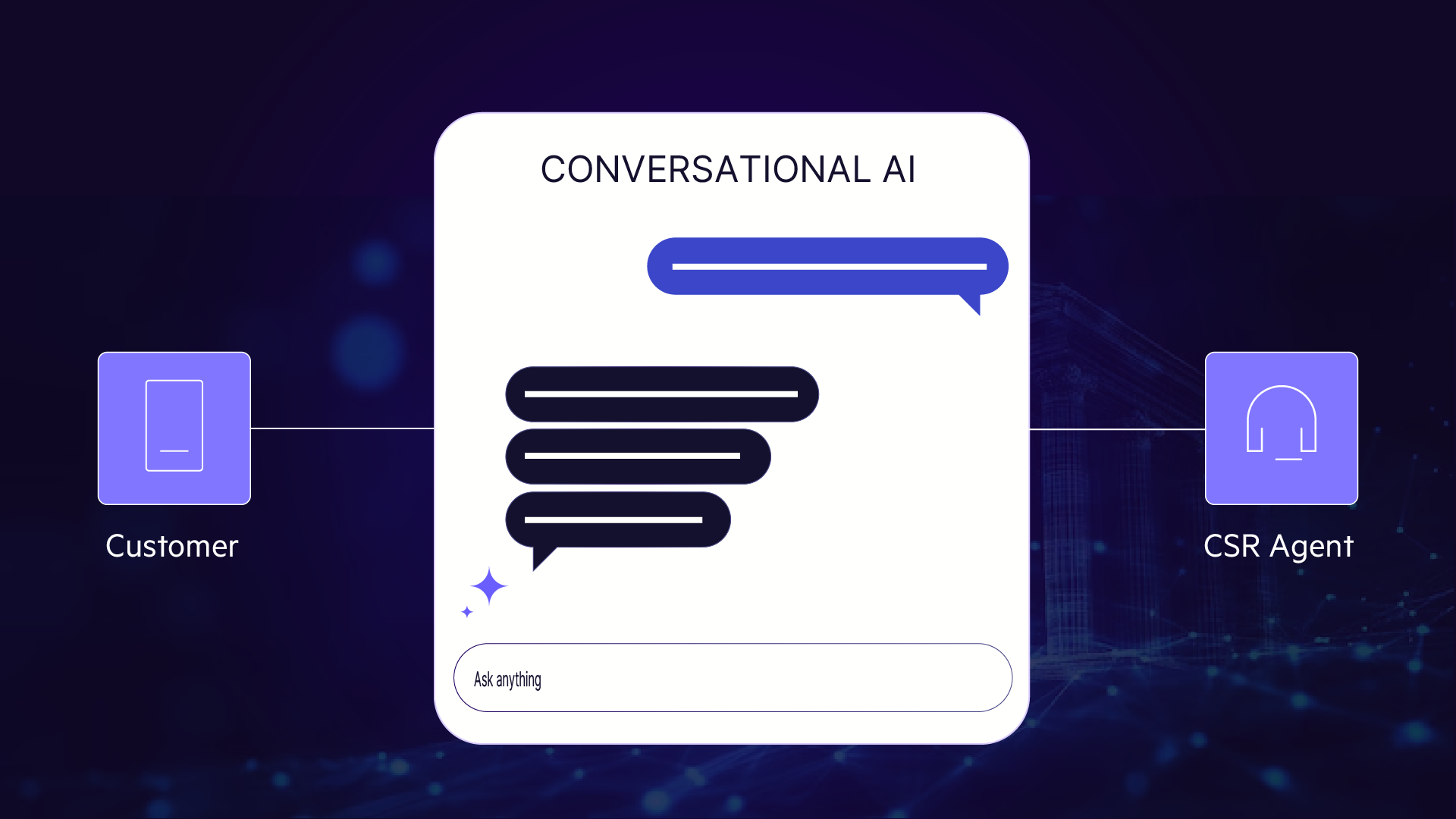
That architecture is what made GenAI and agentic capabilities possible in the way Pega has built them. Pega paired Constellation with Pega GenAI at Infinity '23, then extended the same foundation to agentic AI at Infinity '25. Features like natural-language data exploration and AI-assisted case handling run on the view-based engine, not on section rules.
Development changed with it too. Building on Constellation follows a prescribed but configurable model, which cuts down the low-value UI decisions developers used to make by hand on Theme Cosmos. For teams doing Pega UI modernization work, that shows up as faster build cycles once the initial migration is done.
None of this makes a Theme Cosmos application broken or unsupported. It means new capability gets built for a different architecture than the one most existing applications run on.
A Cosmos to Constellation migration has nothing to do with fixing something broken. It's about matching your architecture to where Pega is putting its next wave of investment."
Pega structures a Constellation migration around four phases.
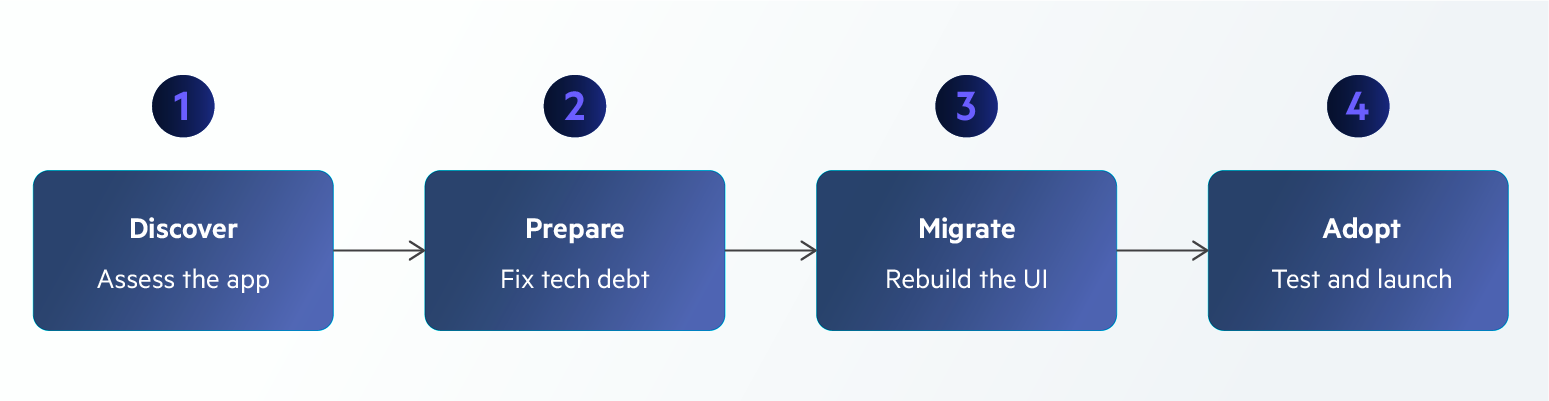
Discover
An assessment of your current Theme Cosmos application that includes what's built, what's customized, and what depends on legacy rules that need mapping before anything moves. This phase sets the actual timeline, not a generic estimate pulled from a vendor deck.
Prepare
Technical debt gets addressed before migration starts. Rulesets get locked, dependencies get documented, and the team builds the Constellation and application expertise it'll need. Skipping this phase is the most common reason migrations run long.
Migrate
Case types, views, and flow actions get rebuilt on the Constellation architecture. Data pages, activities, and other backend rules carry over from the base application rather than getting rebuilt from scratch.
Adopt
Testing happens at each stage, with rollout to users done in phases rather than one release. This is where a phased approach pays off: issues surface in one application or business unit before they can affect every user at once.
EvonSys has guided enterprise clients through Pega Cosmos to Constellation migrations, including a global enterprise managing complex operations across multiple regions. The transition delivered:
Those numbers came from the same phased approach outlined above. A detailed assessment before any development started, training built into each phase rather than saved for the end, and a rollout that kept daily operations running throughout.
We work from your application's actual architecture, not a template. That means an honest read on your customization, your technical debt, and which applications should move first.
If a Pega UI modernization roadmap is on your list for this year or next, we can map out what a phased plan looks like for your specific application.
Talk to our Pega experts about your Constellation migration.

.png)


.png)