.png)

.png)
At times, we receive a notification in the corner of the screen prompting us for a software update. It’s easy to dismiss or click “Remind me later” when you’re in the middle of a meeting or any important task. While you’re focusing on your business goals, hackers are looking for unpatched systems that could open the door to data breach risk.
If this is the case for a single software application, consider the risks if the bank's core operational platform remains unpatched.
In banking, Pega is the nervous system for mission-critical operations like KYC, AML, and dispute management. That is why a timely Pega upgrade is essential. Skipping an upgrade here doesn't just invite a hacker, but it also risks a total systemic collapse and massive regulatory penalties. Silent liabilities can derail the entire banking operation, leaving the customers disappointed.
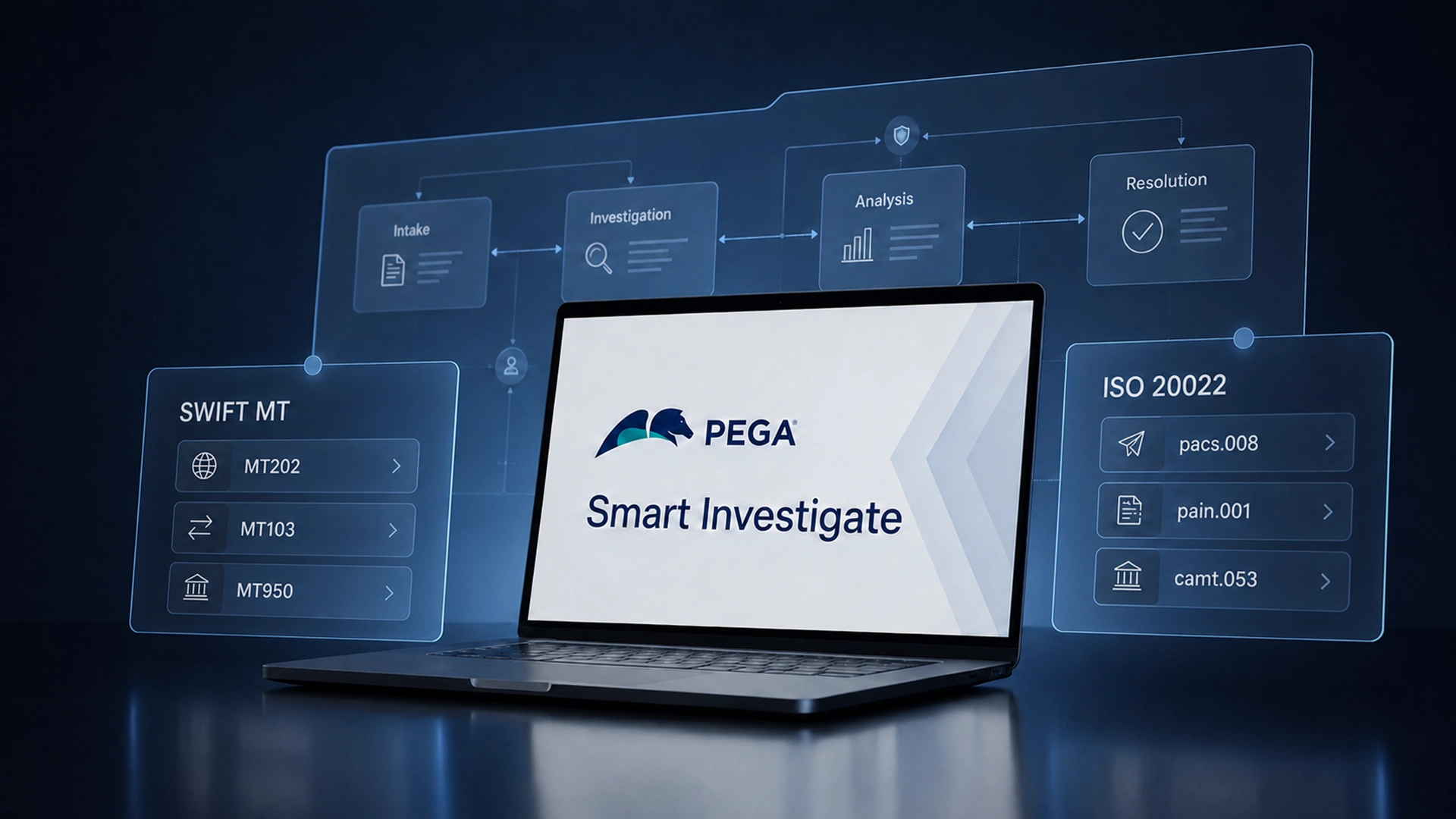
Banks that avoid or delay upgrading their Pega platform, mainly to versions that support advanced features such as Pega Smart Investigate Agentic Automation, expose themselves to growing compliance risks, cyber vulnerabilities, and efficiency gaps. These risks often remain “hidden” until they appear as outages, fines, or competitive losses.
According to a report, the average cost of a data breach globally is 4.4M. In an environment where data is the backbone of banking operations, unmanaged data breach risk can have consequences far beyond immediate financial loss.
Every outdated software often lacks fixes for vulnerabilities. Major data breach risks are detected only after substantial damage, including reputational harm.
Older Pega versions were secure and compliant at the time of deployment. However, today’s threat landscape has changed significantly. New Pega releases incorporate ongoing security hardening, updated dependencies, and architectural safeguards aligned with emerging attack vectors.
When upgrades are delayed, banks are exposed because security expectations have advanced. In the event of a cyber incident, regulators and auditors increasingly examine whether available platform protections were reasonably implemented, rather than whether the original implementation was sound.
Skipping Pega upgrades accelerates technical debt across workflows, rules, and integrations. What once worked reliably becomes increasingly brittle as transaction volumes grow and dependencies change.
Over time, operational teams normalize these issues until a surge event exposes how fragile the platform has become.
Pega’s most advanced capabilities, including native agentic automation and AI-driven investigations, are tightly coupled with modern platform releases. Banks running older versions are locked out of innovation and miss out on new features.
For example, Pega Smart Investigate Agentic Automation combines rule-based logic with generative and agentic capabilities to handle tasks such as interpreting messages, summarizing content, and automating steps that would typically require human intervention.
Without upgrading, banks are forced to rely on manual work and fragmented logic, which increases costs, cycle times, and error rates.
In fast-moving payments and fraud environments, this delay directly impacts customer trust and regulatory responsiveness.
Modern banking regulations demand clear decision traceability, auditable workflows, and explainable outcomes. Older Pega versions often struggle to consistently meet these expectations.
When systems cannot reliably show:
Compliance shifts from being system-enforced to person-dependent. During audits or regulatory inquiries, the inability to produce defensible system evidence is treated as a control failure, not a platform limitation.
Banks that delay upgrades or manage legacy systems often believe they are saving money. In reality, costs are simply redirected, from innovation to firefighting. In a recent Pega study, nearly 75% of enterprise leaders said legacy systems are affecting their business performance.
Budgets are consumed by:
As a result, fewer resources remain for growth initiatives, customer experience improvements, or regulatory modernization. Over time, the cost of “doing nothing” far exceeds the cost of upgrading, often forcing rushed remediation under regulatory or operational pressure.
Upgrading Pega in a banking environment requires more than technical execution. It demands a deep understanding of regulatory scrutiny, operational risk, and platform governance. That’s where EvonSys stands apart. Hands-on expertise with advanced solutions such as Pega Smart Investigate and agentic automation.

Evaluate your current Pega version before risk compounds.
EvonSys helps banks upgrade Pega with confidence.

.png)


.png)